Koh Phi Phi Island Guide

Liam Reilly
| 16-04-2026
 · Travel Team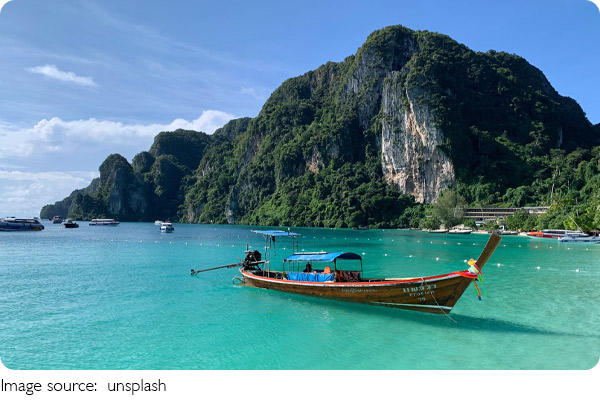
From directly above, the water shifts through colors that do not seem to belong to the same ocean.
Pale white sand is visible through two meters of water, then turquoise where the depth increases slightly, then a deep teal where the reef begins, and finally the dark blue of open sea beyond.
Two traditional longtail vessels float motionless at the boundary where the shallows meet the deeper water, their hulls casting small shadows on the sand below. That image — which is not a rendering, not an edited composite, but simply what this part of the Andaman Sea looks like from above — is why Koh Phi Phi has been drawing visitors for decades and shows no signs of stopping.
Have you been to Koh Phi Phi, or has it been on your list long enough that the question is now when rather than whether? Either way, here is everything you need to plan the visit properly.
This Swiss mountain village offers stunning Alpine scenery without the crowds — and it’s beautiful year-round
Croatia's most stunning city looks even better in person — here's everything you need to know
Explore the Spiritual Heart of Mount Koya at Kongobu-ji and Okuno-in
Discover Ancient Artifacts and Cultural Treasures in the Heart of Tokyo
Most tourists rush through it — here's how to actually experience one of the world's great urban parks
Bali's most iconic green terraces are even more stunning in person — here's how to visit right
Phi Phi Islands
What Koh Phi Phi Actually Is
Koh Phi Phi is an archipelago of six islands located in Krabi Province in southern Thailand, situated between the mainland and the island of Phuket in the Andaman Sea. The two inhabited and most visited islands are Koh Phi Phi Don — the larger island where accommodation and the main village are located — and Koh Phi Phi Leh — the smaller, uninhabited island whose interior lagoon and surrounding bays produce the aerial photographs that have made the archipelago internationally recognized.
Koh Phi Phi Don's main settlement, Tonsai Village, sits on a narrow isthmus between two bays — Tonsai Bay to the south and Loh Dalum Bay to the north. The village contains the majority of the island's restaurants, guesthouses, and dive operators, and the isthmus location means that both bays are reachable on foot in under ten minutes from any point in the village center.
The island has no roads and no motorized vehicles beyond the longtail vessels that serve as the primary means of local water transport. Everything moves on foot or by boat, which gives the island a pace and a quality of quiet — relative to its visitor numbers — that road-based destinations cannot easily replicate.
Getting There
Koh Phi Phi is accessible by ferry from both Krabi town and Phuket.
- From Krabi: approximately 1.5 hours, USD $8–$12 per person
- From Phuket: approximately 2 hours, USD $10–$15 per person
Ferries operate multiple times daily during peak season, with reduced frequency from May through October.
The nearest international airports are:
- Krabi International Airport (Krabi Province, Thailand)
- Phuket International Airport (Phuket Province, Thailand)
From Krabi Airport to the ferry pier:
- Taxi or shared minivan: USD $8–$15 per person (30 minutes)
Once on the island:
- Walking: free
- Longtail boat charter: USD $40–$60 per boat (half-day)
Key Experiences and Costs
The primary experiences on and around Koh Phi Phi fall into several categories, each with different cost structures.
1. Maya Bay on Koh Phi Phi Leh — the bay that became internationally famous after appearing in a widely watched film, now managed under a daily visitor quota to support ecological recovery. Entry costs approximately $10 per person and is typically included in organized day trip packages from Tonsai pier priced at approximately $25 to $40 per person including snorkeling equipment.
2. Viking Cave — a large cavern on the northeastern coast of Koh Phi Phi Leh containing ancient maritime paintings and active swift nest collection. It is accessible by longtail boat on the same day trip circuit as Maya Bay.
3. Phi Phi Viewpoint — a 30-minute uphill walk from Tonsai Village that reaches an elevated platform with the most celebrated view of the twin bays and surrounding sea. Entry costs approximately $3, and the viewpoint is accessible at any hour, with sunrise visits providing the clearest conditions before heat haze develops.
4. Snorkeling and diving — the waters around Koh Phi Phi contain some of the most accessible reef systems in southern Thailand. Day snorkeling trips cost approximately $20 to $30 per person. Introductory dive experiences for non-certified divers cost approximately $80 to $100 including equipment and instructor supervision.
Where to Stay
Accommodation on Koh Phi Phi ranges from budget guesthouses in Tonsai Village to beachfront resort properties on the quieter northern bays.
Zeavola Resort sits at the northern end of the island on Laem Tong Beach — a private bay accessible only by longtail from Tonsai — with traditional Thai-style villa accommodation and a house reef directly accessible from the beach. Rates begin at approximately $280 per night during peak season. The location provides genuine separation from the busier southern bays while remaining connected by a 20-minute boat ride.
Holiday Inn Resort Phi Phi Island offers reliable international standard accommodation on the quieter Laem Tong Beach from approximately $180 per night. In Tonsai Village itself, a range of guesthouses and smaller hotels offer basic but clean accommodation from approximately $25 to $60 per night — options that sacrifice beachfront positioning for immediate access to the village's restaurants and ferry connections.
Where to Eat
- Thai and international dishes:
Price: $6–$12 per meal.
- Casual Thai dining
Price: $5–$10.
- Quick, affordable meals
Price: $4–$8.
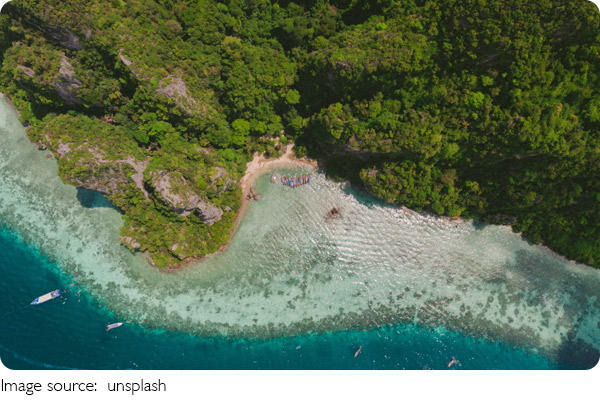
Koh Phi Phi is one of those destinations where the aerial image and the real experience align perfectly. The limestone cliffs, shallow sandbanks, and intensely clear water create a landscape that feels almost unreal — yet it is entirely natural.
The longtail vessels are not decorative — they are the island’s transport system, moving steadily across water that shifts through shades rarely seen elsewhere.
Whether you arrive for a short visit or stay longer, the experience remains consistent: the water will be that color, the views will be that dramatic, and the journey will be worth it.